

Alright, folks! As a supplier of magnetic separation equipments, I often get asked about the maintenance requirements for these nifty machines. So, I thought I'd sit down and write this blog to share some insights on what it takes to keep your magnetic separation equipment in top - notch condition.
First off, let's understand why maintenance is so crucial. Magnetic separation equipments, like Magnetic Plates, Magnetic Rollers, and Magnetic Bars, play a vital role in various industries. They're used to separate magnetic materials from non - magnetic ones, which is super important in sectors such as mining, recycling, food processing, and more. If these machines aren't properly maintained, their performance can drop significantly, leading to inefficiencies and potentially costly breakdowns.
Regular Cleaning
One of the most basic yet essential maintenance tasks is regular cleaning. Over time, magnetic separation equipments accumulate a build - up of magnetic particles. This build - up can reduce the magnetic field strength and the overall efficiency of the equipment.
For Magnetic Plates, you should clean the surface regularly. You can use a non - abrasive cloth or a soft brush to gently remove the magnetic debris. Make sure to turn off the power before cleaning to avoid any potential electrical hazards. If the build - up is stubborn, you might need to use a mild cleaning solution, but always test it on a small, inconspicuous area first to ensure it doesn't damage the plate.
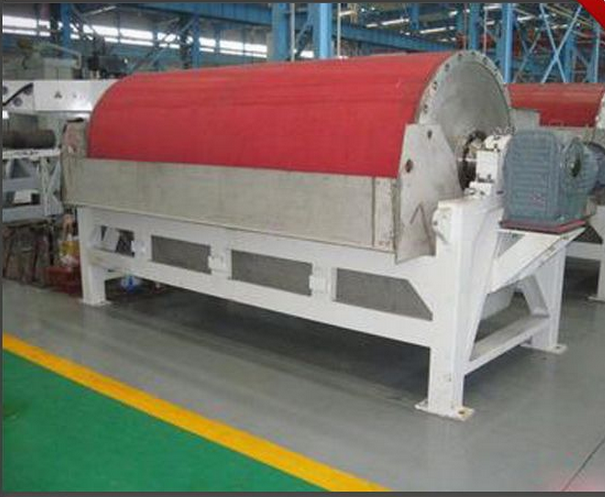
Magnetic Rollers also require regular cleaning. The magnetic particles can get stuck between the rollers or on the surface. You can use a scraper or a brush to remove the debris. It's important to clean the rollers evenly to prevent uneven wear and tear. And don't forget to clean the bearings and other moving parts of the roller assembly to keep them functioning smoothly.
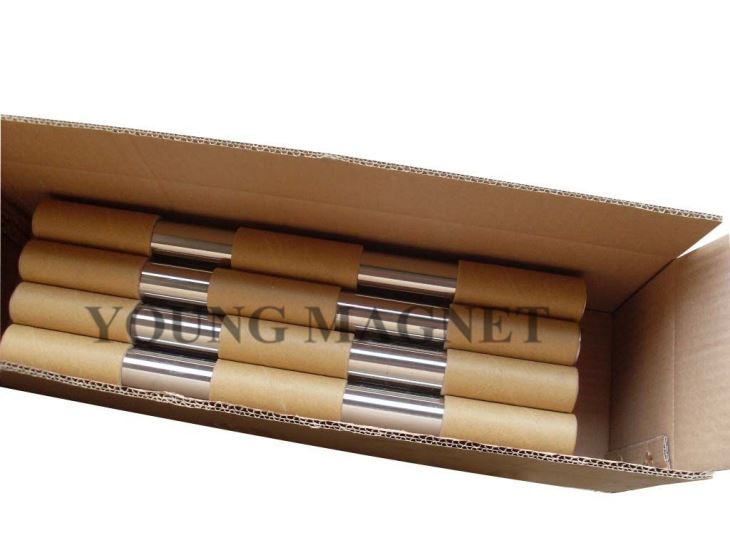
Magnetic Bars are no exception. They can attract a lot of magnetic material, which can form a thick layer over time. You can use a glove or a special cleaning tool to wipe off the particles. If possible, remove the bars from the equipment during cleaning to ensure a thorough job.
Inspection of Magnetic Strength
The magnetic strength of your equipment is what makes it work. So, it's crucial to regularly inspect it. You can use a gaussmeter to measure the magnetic field strength of Magnetic Plates, Magnetic Rollers, and Magnetic Bars.
If the magnetic strength drops below the recommended level, it could be a sign of a problem. It might be due to overheating, physical damage, or just normal wear and tear. If you notice a significant decrease in magnetic strength, you should consult a professional to determine the cause and find a solution. Sometimes, the magnets might need to be re - magnetized or replaced.
Checking for Physical Damage
Physical damage can also affect the performance of your magnetic separation equipment. You should regularly inspect all the components for signs of wear, cracks, or other damage.
For Magnetic Plates, check the edges and the surface for any chips or scratches. A damaged plate might not hold the magnetic particles properly, leading to reduced separation efficiency.
Magnetic Rollers should be inspected for any signs of misalignment, wear on the roller surface, or damage to the bearings. Misaligned rollers can cause uneven wear and tear and might even lead to the machine jamming.
When it comes to Magnetic Bars, check for any bends or breaks. A bent bar might not be able to attract the magnetic particles as effectively as a straight one.
Lubrication of Moving Parts
If your magnetic separation equipment has moving parts, like the bearings in Magnetic Rollers, proper lubrication is essential. Lubrication reduces friction between the moving parts, which helps to prevent wear and tear and extends the lifespan of the components.
You should use the recommended lubricant for your specific equipment. Over - lubrication can also be a problem, as it can attract dust and debris, which can cause more damage. So, follow the manufacturer's guidelines on how much and how often to lubricate the parts.
Electrical System Maintenance
Many magnetic separation equipments are electrically powered. So, it's important to maintain the electrical system. Check the wiring for any signs of damage, such as fraying or exposed wires. Loose connections can also cause problems, so make sure all the electrical connections are tight.
If your equipment has a control panel, clean it regularly to prevent dust and debris from interfering with the electrical components. You might also want to have the electrical system tested periodically by a qualified electrician to ensure it's working safely and efficiently.
Storage and Handling
Proper storage and handling of your magnetic separation equipment are also important for its long - term maintenance. When the equipment is not in use, store it in a dry, clean place. Moisture can cause rust and corrosion, which can damage the components.
When moving the equipment, handle it with care. Avoid dropping or hitting the equipment, as this can cause physical damage to the magnets and other parts.
Training Your Staff
Last but not least, make sure your staff is properly trained on how to use and maintain the magnetic separation equipment. They should know the correct cleaning procedures, how to perform basic inspections, and when to call in a professional.
Well, there you have it, folks! These are the main maintenance requirements for magnetic separation equipments. By following these steps, you can ensure that your equipment lasts longer, performs better, and saves you money in the long run.
If you're in the market for high - quality magnetic separation equipments or need more advice on their maintenance, don't hesitate to reach out. We're here to help you make the best choices for your business.
References
- General knowledge in the field of magnetic separation equipment maintenance.
- Manufacturer's manuals for magnetic separation equipments.