

Professional AlNiCo Magnet Manufacturer
We specialize in manufacturing high-quality AlNiCo magnets known for their excellent thermal stability, strong resistance to demagnetization, and reliable magnetic performance in demanding environments. Our AlNiCo magnets are widely used in motors, sensors, loudspeakers, measuring instruments, and guitar pickups.From standard grades and shapes to fully customized OEM/ODM solutions, we offer flexible design support, precise machining, strict quality inspection, and stable mass production. With fast sampling capability and reliable global delivery, we help B2B customers achieve consistent quality, cost efficiency, and long-term supply stability.


OEM Custom Shape Manufacturing Services


Key Advantages and Technical Properties
Stable Magnetic Performance at High Temperatures
AlNiCo magnets maintain stable magnetic properties across a wide operating temperature range from –60°C to 540°C. Compared with ferrite magnets and NdFeB magnets, high-temperature AlNiCo magnets exhibit lower magnetic performance loss under elevated temperatures, which supports consistent operation in thermally demanding environments such as motors, sensors, and industrial equipment.
High Residual Flux Density
AlNiCo magnets are characterized by high residual magnetic flux density (Br), enabling strong and consistent magnetic fields. This property supports their use in applications such as guitar pickups, loudspeakers, measuring instruments, and magnetic sensing systems. Due to relatively low coercivity, proper magnetic circuit design is recommended to minimize the risk of demagnetization.
Inherent Corrosion Resistance Without Coating
Thanks to their alloy composition, AlNiCo magnets demonstrate natural corrosion resistance and can operate in humid or mildly corrosive environments without surface coating. This characteristic reduces the need for additional protective treatments and supports long-term stability in industrial applications.
Flexible Manufacturing for Standard and Custom Shapes
AlNiCo magnets can be produced through casting or sintering processes, allowing the manufacture of both standard and custom AlNiCo magnet shapes, including rods, bars, rings, horseshoe magnets, and complex geometries. This flexibility supports OEM and ODM requirements involving dimensional accuracy and magnetic performance control.
One-Stop AlNiCo Magnet Solution
We provide a comprehensive B2B one-stop solution for AlNiCo magnets, supporting OEM manufacturers, industrial customers, and engineering teams from initial concept to stable mass production. Each project begins with structured requirement analysis and technical alignment through one-on-one communication with experienced magnetic engineers. Based on application conditions, we offer customized engineering solutions including magnetic parameter optimization, 3D modeling, and magnetic circuit simulation, with optional prototype validation for early-stage testing. Combined with advanced manufacturing capabilities, strict quality management systems, flexible OEM/ODM support, and reliable after-sales service, we help B2B customers shorten validation cycles, reduce supply risk, and maintain consistent product performance.

Diverse Applications of AlNiCo Magnets
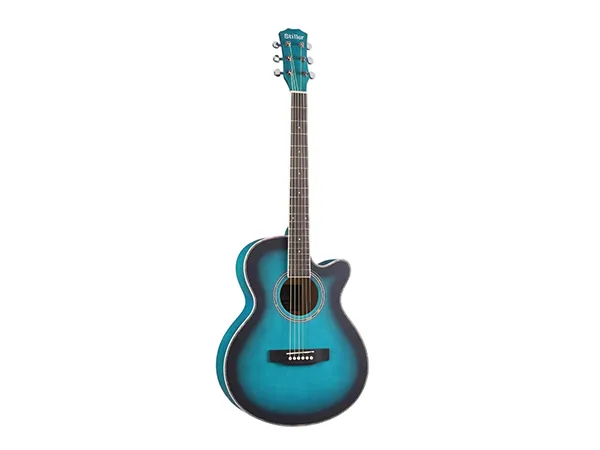
Electric Guitar Pickups
AlNiCo guitar magnets are known for their warm, vintage tone and are ideal for electric guitar pickups, bringing musicians a rich sound experience.

Speakers
Using alnico pickup magnets in the voice coils of speakers can produce clear, high-quality sound and enhance the performance of audio equipment.

Generators and Motors
AlNiCo magnets are the material of choice for high-performance generators and motors because they can maintain their magnetism at high temperatures.

Medical Devices
In medical devices such as MRI machines, the temperature stability and corrosion resistance of AlNiCo magnets ensure the reliability and precision of the equipment.

Aerospace Industry
AlNiCo magnets are used in navigation and guidance systems, meeting the stringent requirements for high-performance materials in the aerospace field.

Sensors
AlNiCo magnets are widely used in devices such as magnetic velocity sensors and magnetic current sensors to provide precise measurement and control.
Manufacturing Methods
Casting process
Cast AlNiCo magnets are manufactured by melting the AlNiCo alloy and pouring it into molds, followed by controlled cooling and heat treatment. This process allows for the production of larger sizes and complex geometries, including horseshoe and curved shapes that are difficult to achieve through sintering. Cast AlNiCo magnets exhibit high residual magnetic flux density and excellent high-temperature performance, while directional grain control during casting can enhance magnetic properties along specific orientations, supporting stable long-term performance in demanding applications.
Sintering process
Sintered AlNiCo magnets are produced through a powder metallurgy process in which AlNiCo alloy powders are compacted and sintered at high temperatures to form a dense magnetic structure. This method provides good dimensional consistency, controlled material composition, and uniform magnetic performance. Sintered AlNiCo magnets offer reliable thermal stability and are commonly manufactured in standard shapes such as rods, bars, rings, and blocks. Due to the inherent brittleness of the material, parts are typically formed close to final dimensions with limited post-sintering machining.
Casting Aluminum Nickel Cobalt Performance Table
| Grade | American Standard | Br | Hcb | Maximum magnetic energy product | density | Reversible temperature coefficient | Reversible temperature coefficient | Curie temperature TC | Maximum operating temperature TW | Remark | |||
| mT | Gs | kA/m | Oe | kJ/m³ | MGOe | g/cm³ | %/℃ | %/℃ | ℃ | ℃ | isotropic | ||
| LN10 | ALNICO3 | 600 | 6000 | 40 | 500 | 10 | 1.2 | 6.9 | -0.03 | -0.02 | 810 | 450 | |
| LNG13 | ALNICO2 | 700 | 7000 | 48 | 600 | 12.8 | 1.6 | 7.2 | -0.03 | 0.02 | 810 | 450 | |
| LNGT18 | ALNICO8 | 580 | 5800 | 100 | 1250 | 18 | 2.2 | 7.3 | -0.025 | 0.02 | 860 | 550 | Anisotropy |
| LNG37 | ALNICO5 | 1200 | 12000 | 48 | 600 | 44 | 4.65 | 7.3 | -0.02 | 0.02 | 850 | 525 | |
| LNG40 | ALNICO5 | 1250 | 12500 | 48 | 600 | 40 | 5 | 7.3 | -0.02 | 0.02 | 850 | 525 | |
| LNG44 | ALNICO5 | 1250 | 12500 | 52 | 650 | 37 | 5.5 | 7.3 | -0.02 | 0.02 | 850 | 525 | |
| LNG52 | ALNICO5DG | 1300 | 13000 | 56 | 700 | 52 | 6.5 | 7.3 | -0.02 | 0.02 | 850 | 525 | |
| LNG60 | ALNICO5-7 | 1350 | 13500 | 59 | 740 | 60 | 7.5 | 7.3 | -0.02 | 0.02 | 850 | 525 | |
| LNGT28 | ALNICO6 | 1000 | 10000 | 57.6 | 720 | 28 | 3.5 | 7.3 | -0.02 | 0.03 | 850 | 525 | |
| LNGT36J | ALNICO8HC | 700 | 7000 | 140 | 1750 | 36 | 4.5 | 7.3 | -0.025 | 0.02 | 860 | 550 | |
| LNGT38 | ALNICO8 | 800 | 8000 | 110 | 1380 | 38 | 4.75 | 7.3 | -0.025 | 0.02 | 860 | 550 | |
| LNGT40 | ALNICO8 | 820 | 8200 | 110 | 1380 | 40 | 5 | 7.3 | -0.025 | 0.02 | 860 | 550 | |
| LNGT60 | ALNICO9 | 950 | 9500 | 110 | 1380 | 60 | 7.5 | 7.3 | -0.025 | 0.02 | 860 | 550 | |
| LNGT72 | ALNICO9 | 1050 | 10500 | 112 | 1400 | 72 | 9 | 7.3 | -0.025 | 0.02 | 860 | 550 | |
Sintered AlNiCo Performance Table
| Grade | American Standard | Br | Hcb | Maximum magnetic energy product | density | Reversible temperature coefficient | Reversible temperature coefficient | Curie temperature TC | Maximum operating temperature TW | Remark | |||
| mT | Gs | kA/m | Oe | kJ/m³ | MGOe | g/cm³ | %/℃ | %/℃ | ℃ | ℃ | isotropic | ||
| LN10 | ALNICO3 | 600 | 6000 | 40 | 500 | 10 | 1.2 | 6.9 | -0.03 | -0.02 | 810 | 450 | |
| LNG13 | ALNICO2 | 700 | 7000 | 48 | 600 | 12.8 | 1.6 | 7.2 | -0.03 | 0.02 | 810 | 450 | |
| LNGT18 | ALNICO8 | 580 | 5800 | 100 | 1250 | 18 | 2.2 | 7.3 | -0.025 | 0.02 | 860 | 550 | Anisotropy |
| LNG37 | ALNICO5 | 1200 | 12000 | 48 | 600 | 44 | 4.65 | 7.3 | -0.02 | 0.02 | 850 | 525 | |
| LNG40 | ALNICO5 | 1250 | 12500 | 48 | 600 | 40 | 5 | 7.3 | -0.02 | 0.02 | 850 | 525 | |
| LNG44 | ALNICO5 | 1250 | 12500 | 52 | 650 | 37 | 5.5 | 7.3 | -0.02 | 0.02 | 850 | 525 | |
| LNG52 | ALNICO5DG | 1300 | 13000 | 56 | 700 | 52 | 6.5 | 7.3 | -0.02 | 0.02 | 850 | 525 | |
| LNG60 | ALNICO5-7 | 1350 | 13500 | 59 | 740 | 60 | 7.5 | 7.3 | -0.02 | 0.02 | 850 | 525 | |
| LNGT28 | ALNICO6 | 1000 | 10000 | 57.6 | 720 | 28 | 3.5 | 7.3 | -0.02 | 0.03 | 850 | 525 | |
| LNGT36J | ALNICO8HC | 700 | 7000 | 140 | 1750 | 36 | 4.5 | 7.3 | -0.025 | 0.02 | 860 | 550 | |
| LNGT38 | ALNICO8 | 800 | 8000 | 110 | 1380 | 38 | 4.75 | 7.3 | -0.025 | 0.02 | 860 | 550 | |
| LNGT40 | ALNICO8 | 820 | 8200 | 110 | 1380 | 40 | 5 | 7.3 | -0.025 | 0.02 | 860 | 550 | |
| LNGT60 | ALNICO9 | 950 | 9500 | 110 | 1380 | 60 | 7.5 | 7.3 | -0.025 | 0.02 | 860 | 550 | |
| LNGT72 | ALNICO9 | 1050 | 10500 | 112 | 1400 | 72 | 9 | 7.3 | -0.025 | 0.02 | 860 | 550 | |
Production Flow Diagram forAlNiCo Magnets
Production Flow Diagram
Raw Material
Mixing
Power
Pressing
Sintering
Heat Treatment
Magnetic Testing
Grinding
Inspection
Final Product
FAQ
What are the main properties of AlNiCo magnets?
AlNiCo magnets have high magnetic strength and energy, but low coercivity. They are corrosion and temperature resistant (up to 500°C and above), less brittle than rare earth magnets, and can be cast or sintered into complex shapes (such as horseshoes).
What are the common grades of AlNiCo magnets?
The most common grades are 5 and 8, but non-standard shapes and sizes can be customized on demand.
Can alnico rod magnet be machined? What are the restrictions?
AlNiCo magnets are hard and brittle, so they need to be machined with caution:
Cutting and grinding must be done before magnetization
Drilling must use electrical discharge machining (EDM)
Not suitable for structural or decorative purposes
What are the common applications of AlNiCo magnets?
Widely used in instrumentation, sensors, actuators, motors, guitar pickups, military radars, medical equipment, and high-temperature industrial environments.
Do AlNiCo magnets require surface treatment?
Usually not needed, as they have excellent corrosion resistance.
What safety precautions should be taken when using AlNiCo magnets?
Avoid strong repelling magnetic fields, otherwise they may be partially demagnetized
If demagnetized, they can be remagnetized to restore performance
What are the standard dimensional tolerances for AlNiCo magnets?
Diameter/width/thickness: ±0.005 inches
Length: ±0.015 inches
How are AlNiCo magnets made?
Using casting or sintering processes, they can be made into complex shapes (such as horseshoes) that other magnets cannot achieve.
What are the advantages of AlNiCo magnets over other magnets?
High temperature resistance (above 500°C)
Corrosion resistance, no coating required
Not brittle, more durable than neodymium magnets
Can AlNiCo magnets be customized with special specifications?
Yes! We provide stock products of discs, rods, and strip magnets, and also support customized production according to blueprints to meet high-end needs such as industry, aerospace, etc.
What is an Alnico Pot Magnet and where is it commonly used?
An Alnico Pot Magnet is a magnetic assembly that combines an Alnico magnet with a steel pot or casing to concentrate and enhance the magnetic force on the working surface. This design improves magnetic efficiency while protecting the magnet from damage. Alnico pot magnets are commonly used in industrial fixtures, holding systems, sensors, measuring instruments, and various OEM applications where stable magnetic performance and high temperature resistance are required. Many manufacturers choose Alnico pot magnets for applications that demand reliable magnetic strength and long service life.
If you need further consultation or customized services, please contact us!
As one of the most professional alnico magnets manufacturers and suppliers in China, we're featured by quality products and good service. Please feel free to buy alnico magnets for sale here from our factory.
barium ferrite magnet, ferrite ring magnet