

Flexible magnets are composite materials with magnetic elements arranged in an elastomer matrix. They're made from a combination of rubber polymer resin and ferrite powder by forming them through extrusion or rollers and finally magnetizing and laminating them with vinyl or glue. The compound materials bring together rubber elastic properties and elastomer magnetic properties to bring out flexible materials that are useful in multiple specialized applications.
True Flexibility
Flexible magnets differ from their solid counterparts in that they are specifically engineered to bend without breaking or becoming damaged, enabling them to be bent into any desired form during production and after for use in specific applications, making them one of the most versatile types of magnets on the market.
Easy to Use and Reuse
Flexible magnets are so easy to use and reuse. Just peel off the backing and stick them wherever you like. If you want to change their position or move them to a new spot, simply peel them off and place them wherever your magnetic heart desires.
No Lamination Issues
Laminating vinyl over vinyl was not the best looking or most efficient process. It costs more than using flexible magnets and the results were never as good. Common issues included peeling, improper bonding and the printed vinyl curling.
Durability
Printable flexible magnetic sheets don’t fade, curl or peel. They can be used over and over again or left up for extended periods of time without showing wear. They are weather resistant, withstanding sun, rain, heat and cold as well as high wind speeds better than any alternative.
Easy Printing
Flexible magnetic sheets don’t require special printers, making it easy and affordable to get high quality, premium graphics and HD images printed right on them.


The flexible nature of the flexible magnets enables forming into intricate, tight-tolerance shapes. They are also easy to be designed into various shapes like slice, ribbon, sheet, and roll etc. However, since the material is an alloy of ceramic ferrite material, the magnetic strength is weaker than a solid ceramic magnet.
Applications
Flexible magnets are used in a variety of applications from labeling, holding, door gaskets, and signs, to micromotors and CRT focusing.
Typical applications: Crafts, toys, games, magnetic signs, displays, production control (or visual aid) systems, warehouse shelf labeling, door gaskets, door and cabinet closures, small tool and instrument holders, movable markers, advertising premiums, magnetic business cards, architectural planning layouts, etc.
In many applications they are being superseded by rare earth magnets, whose stronger fields (Br) and larger energy products (BHmax) allow smaller size magnets to be used for a given application .
Our factory is one of the best manufacturers and suppliers in China. We have quality flexible magnets for sale. Welcome all the buyers around the world to contact with us.
Why Choose Us
Rich Experiences
Founded in 2001, our growing R&D team currently consists of 20 technical engineers dedicated to providing proactive and forward-thinking support to our customers, leading product development and innovation to better serve the current market.
Complete Qualifications
We specialize in Permanent Sintered Neodymium-Ferrum-Boron (NdFeB) magnets, Samarium-Cobalt (SmCo) magnets, Aluminum-Nickel-Cobalt (AlNiCo) magnets, and related assemblies, all ISO9001 and SGS certified.
Strong Production Capability
Our annual output includes 800 tons of NdFeB magnets and 6000 tons of ferrite magnets, along with Alnico, SmCo, and plastic rubber magnets.
After-Sales Services
We provide comprehensive after-sales support, including troubleshooting, repair services, and customer assistance, ensuring satisfaction even after purchase.
Sizes & Shapes
Standard shapes include strips, sheets and roll form in a wide variety of sizes, thicknesses, lengths & grades. Non-standard shapes can be custom cut, slit, or scored to your specifications.
Manufacturing
We can custom produce flexible magnets into virtually any shape & size to meet your specialty requirements. Custom extrusions and injection molding are also an option for special high volume applications.
Surface Treatments
We can laminate a variety of pressure sensitive adhesives to flexible magnetic sheets and strips for both indoor & outdoor applications,for easy attachment to your products.
Temperature Considerations
Above about 120° C (250° F) the vinyl binder that is used on the flexible magnet may degrade, therefore it is best to use this type of material at ambient temperatures. Flexible magnets can be used in cold as well as hot climates.
Magnetizing & Handling
Flexible magnetic materials are generally supplied with multiple-pole magnetic patterns that provides a higher holding force on ferromagnetic metallic surfaces.
Types of Flexible Magnets
Flexible magnetic tape
Flexible magnetic tape consists of a long, thin, flexible magnet which has been extruded into a flat rectangular shape during manufacture. The flexible magnetic tape is then wound onto a core to be used as a roll of tape. It can be available either with or without an adhesive backing, allowing it to be attached to ferromagnetic and non-magnetic materials.
Flexible warehouse magnet
A flexible warehouse magnet is flexible magnetic tape which has been made into a ‘C’ shape. The ‘C’ shape provides two lips for a piece of paper and a plastic cover to be slotted through, allowing the magnet to be used as a replaceable label. Flexible warehouse magnets are used in warehouses where stock is constantly changing, so the labels need to be replaced easily.
Flexible magnetic sheet
A flexible magnetic sheet is a piece of flexible magnet which has been flattened into a large wide sheet. The difference between a flexible magnetic sheet and flexible magnetic tape is their widths. Flexible magnetic sheet has a width over 76.2mm (3″), whilst flexible magnetic tape is anything under this.
Consider Your Application
The first step in choosing the right flexible magnets is to determine the purpose or application for which you need them. Whether you plan to create refrigerator magnets, magnetic picture frames, or organize your tools, knowing your specific requirements will help you choose the right magnet type and strength.
Magnet Thickness And Composition
Flexible magnets are available in a variety of thicknesses, from 0.3mm to 5mm, depending on your specific needs. Thinner magnets are ideal for lightweight applications, while thicker magnets provide higher magnetic strength.
Magnet Shapes And Sizes
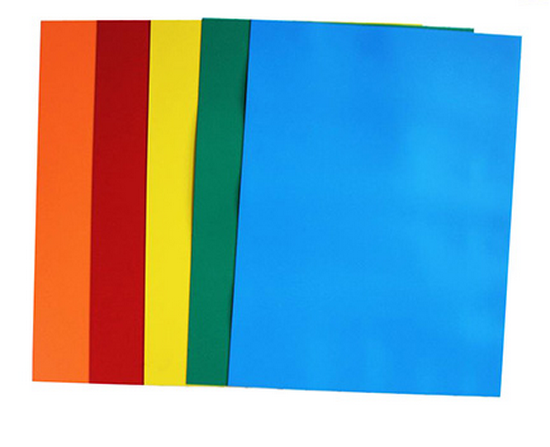
Flexible magnets come in different shapes, including sheets, strips, and rolls, to suit a variety of applications. Consider the area you need to cover and the specific shape your project requires. Sheets are versatile and can be easily cut to any size or shape, while strips and rolls offer flexible solutions for organizing or attaching items.

Magnetic Strength
The magnetic strength or magnetic force of a flexible magnet is an important factor to consider. A magnet's pulling force determines its ability to attract or hold objects. When choosing a flexible magnet, make sure its magnetic strength matches your intended use. However, keep in mind that excessive magnetic field strength may cause complications, such as difficulty in separating magnets or interference with sensitive electronic equipment.
Surface Options
Flexible magnets are available in a variety of surface options, including printable, adhesive-backed, or plain rubber sheets. If you want to print images, text, or designs on the magnets, choose a printable surface. Adhesive-backed magnets make it easy to secure objects to different surfaces, while plain rubber sheets provide a blank canvas for creative projects.
Cost and Budget
When selecting flexible magnets, price and quality must be balanced. Lower-priced magnets may seem attractive, but they often lack the durability and strength required for demanding applications. High-quality flexible magnets, provide better performance and longevity. These magnets use superior materials and manufacturing processes, ensuring consistent magnetic strength and flexibility. Investing in high-quality magnets reduces the risk of failure and replacement costs.
Application of Flexible Magnets
Manufacturing and Production
Flexible magnets play a crucial role in manufacturing and production processes. Factories use these magnets for holding, positioning, and aligning components during assembly. Flexible magnets provide a reliable solution for temporary fixtures and jigs. The ability to cut and shape flexible magnets allows customization for specific tasks. This adaptability enhances efficiency and reduces downtime in production lines.
Signage and Displays
Signage and displays benefit greatly from flexible magnets. Retailers use flexible magnets for creating eye-catching signs and promotional displays. The magnetic properties allow easy attachment and removal of signs without damaging surfaces. Flexible magnets can be printed on, making them ideal for custom advertising materials. Businesses often choose flexible magnets for their versatility and ease of use in dynamic retail environments.
DIY Projects
Homeowners and hobbyists frequently choose flexible magnets for DIY projects. These magnets offer endless possibilities for creative endeavors. Flexible magnets can hold tools, craft supplies, or decorations in place. The ease of cutting and shaping makes them perfect for custom projects. Flexible magnets provide a practical solution for organizing and enhancing home spaces.
Home Organization
Flexible magnets simplify home organization tasks. Kitchens, garages, and offices benefit from the use of these magnets. Magnetic strips can hold knives, tools, or office supplies securely. Flexible magnets help keep items within easy reach while reducing clutter. Homeowners often choose flexible magnets for their convenience and effectiveness in maintaining an organized space.
Educational Uses
Teachers and educators find flexible magnets invaluable in classrooms. Magnetic boards and manipulatives enhance interactive learning experiences. Flexible magnets can hold educational materials like charts, maps, and visual aids. The ability to customize shapes and sizes allows for tailored teaching tools. Educators often choose flexible magnets to create engaging and dynamic learning environments.
How are Flexible Magnets Made?
There are two different categories of flexible magnets; magnetic sheet and extruded magnetic profiles which are both made in different ways.
Extruded magnetic profiles and tapes
Flexible magnets can be extruded into profiles which can be coiled, typically in 10 or 30 metre rolls, and then used for applications such as shower door or refrigerator closures. The cross section of an extruded magnetic profile can have detailed protrusions that allow it to slide into a mating aluminium extrusion and remain captive with only the front magnetised edge showing.
During manufacturing, the flexible granular material is heated until it starts to melt and then forced under high pressure using a screw feed through a hardened die which has been electrical discharge machining (EDM) wire eroded to have the desired shape of the finished profile within it. As material continually flows from the die, it cools and then passes over a magnetising fixture which magnetises the strip with either a two-pole or multi-pole magnetic configuration.
Most flexible magnets are magnetised with stripes of magnetic poles but on one face only, the other face is not magnetic. The extruded profile can be a rectangular section to produce a magnetic strip which is often referred to as magnetic tape and this can be laminated on the non-magnetised face with high-performance double-sided adhesive tape. Two identical strips can be magnetised with mating polarities so that when they attract each other they line up and meet exactly, one being NSNSN and the other SNSNS for example.
Flexible Magnetic Sheet
Magnetic sheets are produced using a calendaring process, and most of which tend to be 610mm wide and up to 30meters in length. They can be as thin as 0.5mm, but typically tend to be 0.76mm in thickness.
Flexible magnetic sheet is magnetised on one side only with very fine stripes of north-south-north-south polarity running down the length of the sheet. The non-magnetic side is often laminated with white or brightly coloured vinyl. The sheets are very flexible and can easily be cut with a trimming knife or scissors.
The sheets can be ‘die cut’ using a roller press and a series of sharp ‘knife type’ cutting blades which are set into a board and are arranged to form multiple sets of the desired shape. Using this technique, many identical simple shapes can be cut quickly with ease. Magnetic sheets are naturally a brown colour and when laminated with vinyl, they can be printed upon using screen printing techniques.
How to Properly Store and Maintain Flexible Magnets
Avoid Harsh Chemicals: Harsh chemicals can deteriorate the magnetic properties and coating of flexible magnets. Refrain from using solvents, acetone, or other aggressive cleaning agents.
Gentle Handling: Handle flexible magnets with care to prevent creasing or bending. Sharp edges and rough surfaces can damage the material, affecting its flexibility and magnetic strength.
Flat and Rolled Storage: Flexible magnets can be stored flat or rolled depending on their size. Rolling them with the magnetic side out can help maintain their flexibility and prevent permanent deformation.
Avoid Stacking: Do not stack heavy items on top of flexible magnets, as this may cause them to deform or lose their magnetic strength over time.
Temperature and Humidity: Store flexible magnets in a dry, cool environment. Excessive heat and humidity can adversely affect their magnetic properties.
Cleaning Flexible Magnets: To guard against moisture and dirt build-up between the magnet and the metal surface (particularly on outdoor applications), remove the magnet at regular intervals. Clean both the magnet and the metal surface with mild detergent; wipe with a soft cloth or allow to air-dry. (For vehicle-mounted signs, remove and clean DAILY.) After waxing and polishing, allow 2 days for the wax to cure before applying magnets.
FAQ
As one of the most professional flexible magnets manufacturers and suppliers in China, we're featured by quality products and good service. Please feel free to buy flexible magnets for sale here from our factory.
Anisotropic Flexible Magnets, sm2co17 magnet, Isotropic Rubber Magnets