

Yo, folks! I'm a supplier of Magnetic Separation Equipments, and today I wanna chat about something super important: the influence of the magnetic field direction on the separation effect of these cool machines.
First off, let's get into what magnetic separation is all about. Magnetic separation is a process that uses magnetic forces to separate magnetic materials from non - magnetic ones. It's used in a bunch of industries like mining, recycling, and food processing. And as you can guess, the magnetic field direction plays a huge role in how well these Magnetic Separation Equipments work.
How Magnetic Fields Work in Separation
A magnetic field is basically an area around a magnet where magnetic forces can be detected. In magnetic separation, the equipment creates a magnetic field that attracts magnetic particles. The strength and direction of this field determine which particles get separated and how efficiently.
When we talk about the magnetic field direction, we're looking at how the magnetic lines of force are oriented within the separation equipment. There are two main types of magnetic field directions that we commonly deal with: axial and radial.
Axial Magnetic Field Direction
In an axial magnetic field, the magnetic lines of force run parallel to the axis of the magnetic separator. This type of field is often used in Magnetic Rollers. When the magnetic field is axial, the magnetic particles are attracted along the length of the roller.
One of the big advantages of an axial magnetic field is that it can provide a more consistent force on the particles. This is great for separating fine magnetic particles. The consistent pulling force along the axis helps to ensure that even the smallest magnetic bits are caught by the magnetic field.
However, there are also some downsides. If the feed material has a wide range of particle sizes, the larger non - magnetic particles might get in the way of the separation process. They can block the path of the fine magnetic particles, reducing the overall separation efficiency.
Radial Magnetic Field Direction
A radial magnetic field, on the other hand, has magnetic lines of force that radiate outwards from the center of the magnet. This type of field is commonly found in Permanent Magnetic Roller Separator.
The radial field is really good at quickly attracting magnetic particles towards the surface of the magnetic roller. It creates a strong pulling force that can overcome the inertia of the particles in the feed stream. This makes it ideal for separating larger and heavier magnetic particles.
But the radial field also has its limitations. The magnetic force can vary quite a bit depending on the distance from the center of the magnet. So, fine magnetic particles that are farther from the surface of the roller might not be picked up as effectively as larger particles closer to the surface.
Impact on the Separation Effect
Separation Efficiency
The magnetic field direction has a direct impact on the separation efficiency. As I mentioned earlier, an axial magnetic field can be more efficient for fine particle separation because of its consistent pulling force. For example, in a mining operation where they're trying to extract tiny magnetic minerals from a large amount of ore, an axial field can do a better job of ensuring that these small particles don't get lost in the process.
On the other hand, a radial magnetic field will be more efficient for separating larger magnetic particles. In a recycling plant, when they're trying to separate big pieces of iron from non - magnetic waste, the radial field can quickly grab those heavy iron chunks and pull them out of the feed stream.
Purity of the Separated Product
The direction of the magnetic field also affects the purity of the separated product. If the magnetic field isn't properly oriented, there's a higher chance of non - magnetic particles getting mixed in with the magnetic ones.

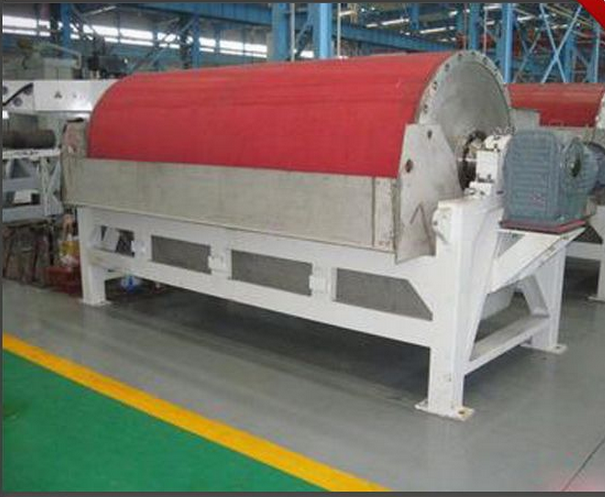
In an axial field, since the pulling force is more consistent, there's less chance of non - magnetic particles being accidentally caught in the magnetic stream. This can result in a higher - purity magnetic product. However, as I said before, larger non - magnetic particles can still interfere.
In a radial field, the strong and localized pulling force can sometimes pull in non - magnetic particles that are close to the magnetic ones. This can reduce the purity of the magnetic product, especially if the feed material has a complex mixture of particles.
Throughput
Throughput, which is the amount of material that can be processed in a given time, is another important factor. The magnetic field direction can influence how much material the separation equipment can handle.
An axial magnetic field might allow for a higher throughput when dealing with fine particle separation. Since the force is consistent, the equipment can process a larger volume of material without getting clogged. The fine particles are steadily attracted along the length of the roller, and the non - magnetic particles can easily pass through.
A radial magnetic field, while great for quick particle separation, might limit the throughput when dealing with a high volume of fine particles. The strong but variable force can cause some particles to clump together, which can slow down the processing speed.
Choosing the Right Magnetic Field Direction
As a supplier of Magnetic Separation Equipments, I often get asked how to choose the right magnetic field direction for a particular application. Well, it all depends on the nature of the feed material.
If you're dealing with a feed that has mostly fine magnetic particles, an axial magnetic field might be the way to go. It'll give you a more efficient separation and a higher - purity product. On the other hand, if your feed contains large and heavy magnetic particles, a radial magnetic field will likely provide better results.
You also need to consider the throughput requirements. If you need to process a large amount of material quickly, you'll want to choose a magnetic field direction that can handle that volume without any major bottlenecks.
Wrapping It Up
In conclusion, the magnetic field direction has a huge influence on the separation effect of magnetic separation equipments. Whether it's the separation efficiency, the purity of the separated product, or the throughput, every aspect is affected by whether you're using an axial or a radial magnetic field.
As a supplier, we're always here to help you figure out the best magnetic field direction and the right equipment for your specific needs. If you're in the market for Magnetic Separation Equipments and want to learn more about how the magnetic field direction can work for you, don't hesitate to reach out! We can have a chat, understand your requirements, and help you make the best choice for your operation.
References
- Some general textbooks on magnetism and separation technology.
- Industry reports on magnetic separation equipment usage and performance.