

As a reputable supplier of SmCo Disc magnets, I understand the critical importance of thorough testing to ensure these high-performance magnets meet the stringent requirements of diverse applications. In this blog, I will delve into the essential equipment needed to test SmCo Discs, providing insights into the testing process and its significance.
Magnetism Testing Equipment
Gauss Meter
A Gauss meter, also known as a magnetometer, is a fundamental instrument for measuring the magnetic field strength of SmCo Discs. It provides a quantitative value of the magnetic flux density at a specific point on the magnet's surface. The accuracy of the Gauss meter is crucial, as even slight variations in magnetic field strength can affect the performance of the magnet in its intended application.
For our SmCo Discs, we use high - precision Gauss meters that can measure magnetic fields with an accuracy of up to ±0.1%. This allows us to ensure that each magnet meets the specified magnetic field strength requirements. By measuring at multiple points on the disc's surface, we can also detect any non - uniformities in the magnetic field, which could indicate manufacturing defects.
Hysteresis Graph
The hysteresis graph, or B - H curve tracer, is used to measure the magnetic properties of SmCo Discs, such as remanence (Br), coercivity (Hc), and intrinsic coercivity (Hci). These properties are crucial for understanding how the magnet will perform in different magnetic environments.
The B - H curve provides a visual representation of the relationship between the magnetic flux density (B) and the magnetic field strength (H) of the magnet. From this curve, we can determine the maximum energy product (BH)max, which is a measure of the magnet's ability to store magnetic energy. For SmCo Discs, a high (BH)max value is desirable, as it indicates a more powerful magnet. Our advanced hysteresis graph equipment can accurately measure these properties, ensuring that our SmCo Discs offer optimal performance.
Physical Property Testing Equipment
Hardness Tester
Hardness is an important physical property of SmCo Discs, as it affects the magnet's resistance to wear, deformation, and cracking. A hardness tester is used to measure the hardness of the magnet's surface.
There are several types of hardness tests available, such as the Rockwell hardness test and the Vickers hardness test. For SmCo Discs, we typically use the Vickers hardness test, which provides a more accurate measurement for small and thin samples. By ensuring that the hardness of our SmCo Discs is within the specified range, we can guarantee their durability and reliability in various applications.
Density Meter
The density of a SmCo Disc is another important physical property that can indicate the quality of the magnet. A density meter is used to measure the density of the magnet, which is related to its composition and porosity.
An abnormal density value may indicate a problem with the manufacturing process, such as incomplete sintering or the presence of impurities. Our density measurement equipment can accurately measure the density of SmCo Discs, allowing us to detect any potential issues early in the production process.
Chemical Composition Testing Equipment
X - Ray Fluorescence (XRF) Analyzer
The chemical composition of SmCo Discs can significantly affect their magnetic and physical properties. An XRF analyzer is a non - destructive testing method used to determine the elemental composition of the magnet.
It can quickly and accurately identify the elements present in the SmCo Disc and their relative concentrations. This information is essential for ensuring that the magnet meets the specified chemical composition requirements. For example, the proper ratio of samarium and cobalt is critical for achieving the desired magnetic properties of SmCo Discs. Our XRF analyzer can detect even trace amounts of elements, allowing us to maintain strict quality control over our products.
Visual Inspection Equipment
Microscope
Visual inspection is an important part of the testing process for SmCo Discs. A microscope is used to examine the surface of the magnet for any visible defects, such as cracks, scratches, or inclusions.
A high - resolution microscope can magnify the surface of the magnet, allowing us to detect even the smallest defects. By performing visual inspections, we can ensure that our SmCo Discs have a smooth and defect - free surface, which is essential for their performance in applications where surface quality is critical.
Significance of Testing Equipment
The use of these testing equipment is not only a way to ensure the quality of our SmCo Discs but also a means to meet the diverse needs of our customers. Our customers rely on our SmCo Discs for various applications, such as aerospace, defense, and medical devices. In these high - tech fields, the performance and reliability of the magnets are of utmost importance.
By using accurate and advanced testing equipment, we can guarantee that our SmCo Discs have consistent magnetic properties, excellent physical characteristics, and the correct chemical composition. This not only helps us to maintain a high level of customer satisfaction but also enhances our reputation as a reliable SmCo Disc supplier.

Importance of Related SmCo Products
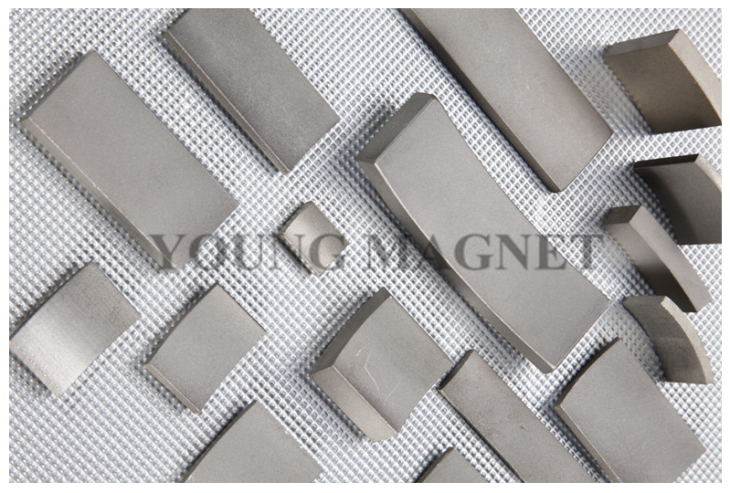
We also offer a wide range of related SmCo products, such as SmCo5 Magnets, SmCo Magnets, and SmCo Segment. These products are also subjected to the same rigorous testing procedures as our SmCo Discs, ensuring their high quality.
Invitation to Contact
If you are in the market for high - quality SmCo Discs or related products, we invite you to contact us for further discussions. We have a team of experienced professionals who can provide you with detailed information about our products and testing procedures. Whether you have specific requirements for magnetic properties, physical dimensions, or chemical composition, we are confident that we can meet your needs. Engage with us to explore how our SmCo Discs and other products can enhance your applications.
References
- Handbook of Permanent Magnets: Principles and Applications, Edited by E. F. Kneller and R. H. Kronmuller
- Magnetic Materials and Their Applications, By B. D. Cullity and C. D. Graham