

As a supplier of Bonded NdFeb Magnets, I'm often asked about the various surface treatments available for these powerful magnets. Bonded NdFeb magnets, also known as Bonded Neodymium Magnets, are widely used in numerous applications due to their excellent magnetic properties and the ability to be formed into complex shapes. However, like all neodymium magnets, they are prone to corrosion, which can significantly affect their performance and lifespan. Therefore, appropriate surface treatments are crucial to protect these magnets and ensure their long - term functionality.
1. Electroplating
Electroplating is one of the most common surface treatments for Bonded NdFeb Magnets. It involves depositing a thin layer of metal onto the magnet's surface through an electrochemical process.
Nickel Plating
Nickel plating is a popular choice because it provides good corrosion resistance and a smooth, shiny finish. The nickel layer acts as a barrier, preventing oxygen and moisture from reaching the magnet's surface and causing oxidation. There are different types of nickel plating, such as single - layer nickel plating and multi - layer nickel plating. Multi - layer nickel plating, which may consist of a nickel strike layer followed by a thicker nickel layer, offers enhanced protection compared to single - layer plating. It can withstand more severe environmental conditions and is often used in applications where the magnets are exposed to high humidity or corrosive chemicals.
Copper - Nickel Plating
Copper - nickel plating is another option. A thin layer of copper is first deposited on the magnet surface, followed by a layer of nickel. The copper layer helps to improve the adhesion of the nickel layer and also provides some additional corrosion protection. This combination is particularly useful for magnets that require a high level of corrosion resistance and a good electrical conductivity.
2. Epoxy Coating
Epoxy coating is a non - metallic surface treatment that involves applying a layer of epoxy resin to the magnet.
Advantages of Epoxy Coating
Epoxy coatings offer several advantages. Firstly, they provide excellent corrosion resistance, similar to or even better than some metal plating in certain environments. The epoxy forms a thick, durable film that seals the magnet surface, preventing corrosion. Secondly, epoxy coatings can be customized to have different colors, which can be useful for identification purposes in some applications. Additionally, epoxy coatings can help to reduce the risk of chipping or cracking during handling and installation, as they provide a certain degree of cushioning.
Application Process
The application of epoxy coating usually involves cleaning the magnet surface thoroughly to remove any contaminants, followed by spraying or dipping the magnet in the epoxy resin. After application, the magnet is cured at a specific temperature for a certain period to ensure that the epoxy hardens properly.
3. Powder Coating
Powder coating is a dry finishing process that involves applying a fine powder of resin and pigment to the magnet surface.
Process of Powder Coating
The powder is electrostatically charged and then sprayed onto the magnet. The charged powder particles adhere to the magnet surface due to the electrostatic attraction. After spraying, the magnet is heated in an oven, which causes the powder to melt and flow together, forming a continuous, smooth coating.
Benefits of Powder Coating
Powder coating provides good corrosion resistance and a high - quality finish. It can be used to achieve a wide range of colors and textures, allowing for customization according to the specific requirements of the application. Moreover, powder coating is an environmentally friendly option compared to some traditional wet painting processes, as it produces less waste and does not require the use of solvents.
4. Phosphating
Phosphating is a chemical conversion coating process that forms a phosphate layer on the magnet surface.
How Phosphating Works
During the phosphating process, the magnet is immersed in a phosphating solution, which reacts with the metal surface to form a thin, insoluble phosphate layer. This layer acts as a primer, improving the adhesion of subsequent coatings and providing some corrosion protection.
Applications of Phosphated Magnets
Phosphated magnets are often used as an intermediate step before applying other coatings, such as paint or epoxy. The phosphate layer helps to ensure that the subsequent coating adheres well to the magnet surface, enhancing the overall performance and durability of the surface treatment.
5. Parylene Coating
Parylene coating is a vapor - deposited polymer coating.
Coating Process
The parylene coating process involves vaporizing a solid parylene dimer at a high temperature. The vaporized dimer then polymerizes on the magnet surface, forming a thin, conformal coating. The coating is extremely uniform and can cover even the most complex shapes of the bonded NdFeb magnets without leaving any gaps or thin spots.
Unique Properties
Parylene coatings offer excellent moisture and chemical resistance. They are also biocompatible, which makes them suitable for medical applications where the magnets may come into contact with biological tissues. Additionally, parylene coatings have a low coefficient of friction, which can be beneficial in applications where the magnet needs to move smoothly against other surfaces.
Considerations When Choosing a Surface Treatment
When selecting a surface treatment for Bonded NdFeb Magnets, several factors need to be considered.
Environmental Conditions
The environmental conditions in which the magnet will be used are crucial. If the magnet is going to be used in a high - humidity environment, a surface treatment with high corrosion resistance, such as multi - layer nickel plating or epoxy coating, is recommended. For applications in a clean, dry environment, a less - expensive treatment like phosphating may be sufficient.
Application Requirements
The specific requirements of the application also play a role. For example, if the magnet needs to have a certain electrical conductivity, copper - nickel plating may be a better choice. In applications where the magnet will be in contact with food or medical products, a biocompatible coating like parylene may be necessary.
Cost
Cost is another important factor. Metal plating, especially multi - layer plating, can be relatively expensive due to the materials and the complex electrochemical process involved. Epoxy coating and powder coating are generally more cost - effective options, especially for large - scale production.
Our Offerings as a Supplier
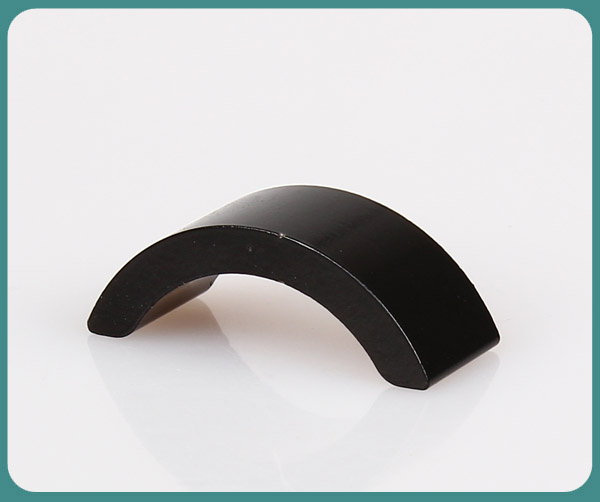
As a supplier of Bonded Arc NdFeb Magnets and Bonded Arc Neodymium Magnets, we understand the importance of providing high - quality surface treatments for our customers. We offer a wide range of surface treatment options, including all the ones mentioned above. Our experienced team can help you choose the most suitable surface treatment based on your specific application requirements and budget. We ensure that all our surface - treated magnets meet the highest quality standards and are thoroughly tested for corrosion resistance and other performance parameters.
Contact Us for Purchasing
If you are interested in our Bonded NdFeb Magnets and would like to discuss the surface treatment options further or start a procurement process, we invite you to get in touch with us. We are committed to providing you with the best products and services to meet your needs. Our team of experts is ready to answer all your questions and assist you in making the right choices for your applications.
References
- "Magnetics Handbook"
- "Surface Treatment Technologies for Metals"
- Industry research reports on bonded NdFeb magnets and surface treatments.