

Permanent magnets, widely used in various applications such as motors, sensors, speakers, and even medical equipment, are an essential part of many industries. One of the critical questions surrounding the use of permanent magnets is their longevity. The lifespan of permanent magnets is influenced by various factors, including their material, environment, and specific application. In this article, we will explore the factors that impact the lifespan of permanent magnets, the different types of permanent magnets.
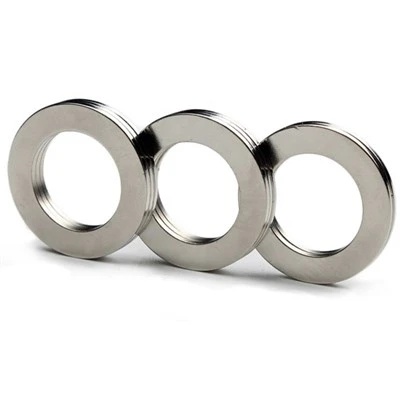
1. Types of Permanent Magnets and Their Lifespan
Permanent magnets are typically classified into different categories based on their material composition. Each type of magnet has unique properties, which can influence its durability over time.
Alnico Magnets
Alnico magnets are made from a combination of aluminum, nickel, and cobalt. They were among the first types of permanent magnets developed and are still widely used in applications such as electric motors, sensors, and audio equipment. Alnico magnets are known for their resistance to high temperatures and corrosion. Typically, Alnico magnets can last for decades, often ranging from 20 to 50 years, depending on their environmental conditions.
Ceramic (Ferrite) Magnets
Ferrite magnets are made from iron oxide and barium or strontium carbonate. They are cheaper than other types of magnets and are commonly used in low-cost applications such as refrigerator magnets, loudspeakers, and small motors. Ferrite magnets have a high resistance to corrosion but can be prone to breaking if exposed to sudden shock or extreme temperature variations. Their lifespan can be anywhere from 10 to 30 years, with proper care.
Neodymium Magnets
Neodymium magnets, made from an alloy of neodymium, iron, and boron, are the most powerful type of permanent magnet currently available. They are commonly used in high-performance motors, generators, and computer hard drives. While neodymium magnets are strong and efficient, they are also sensitive to temperature and corrosion. Under normal conditions, neodymium magnets can last for over 10 years, but exposure to high temperatures (above 80°C) or harsh chemical environments can significantly shorten their lifespan.
Samarium-Cobalt Magnets
Samarium-cobalt magnets are made from a combination of samarium and cobalt and are known for their high resistance to corrosion and high-temperature stability. These magnets are often used in aerospace, military, and other high-performance applications. Samarium-cobalt magnets have a lifespan that can last upwards of 30 years, even under harsh conditions. However, their high cost makes them less common than other types of permanent magnets.
2. Factors Affecting the Lifespan of Permanent Magnets
Several environmental and operational factors can impact the lifespan of permanent magnets. These factors include:
Temperature
Temperature is one of the most significant factors affecting the performance and longevity of permanent magnets. High temperatures can lead to a phenomenon known as "thermal demagnetization," where the magnetic properties of the magnet weaken or completely disappear. Each type of magnet has a specific temperature range within which it can operate efficiently.
Alnico magnets can withstand high temperatures, often exceeding 500°C, without significant degradation.
Ferrite magnets are stable up to about 250°C.
Neodymium magnets start to lose their magnetic properties at around 80°C, making them sensitive to heat.
Samarium-cobalt magnets can tolerate high temperatures, similar to Alnico magnets.
Corrosion and Environmental Conditions
Corrosion is another factor that can impact the longevity of permanent magnets. Most permanent magnets, particularly neodymium and samarium-cobalt magnets, are susceptible to rust and degradation when exposed to moisture or harsh chemical environments. To mitigate corrosion, many magnets are coated with protective layers such as nickel, zinc, or epoxy resin.
Mechanical Stress
Mechanical stress, including physical shocks and vibrations, can damage permanent magnets and lead to a decline in their magnetic properties. For example, if a magnet is dropped or subjected to pressure, it can become cracked or fractured, which can weaken its magnetic field. This is especially true for brittle magnets like ferrite and neodymium.
Magnetic Interference
Exposure to other strong magnetic fields can also impact the longevity of a permanent magnet. If the magnet is constantly subjected to fluctuating or opposing magnetic fields, its own magnetic properties can weaken over time. Proper placement and design can help reduce this impact.
3. Maintenance and Care to Extend Lifespan
While permanent magnets are generally designed to last for long periods, taking care of them can help extend their operational life. Proper handling, including avoiding sudden impacts and preventing exposure to extreme temperatures or moisture, is essential to maintaining the magnet's magnetic strength.
Proper Storage
Storing magnets in a controlled environment with minimal exposure to high temperatures, humidity, or mechanical stress is critical for their longevity. Magnets should be stored away from areas with strong magnetic fields or electrical equipment that could interfere with their performance.
Protective Coatings
Using protective coatings such as nickel or epoxy can help shield magnets from environmental factors that cause degradation. Coatings also prevent corrosion, which is particularly important for magnets used in outdoor applications.
4. Industrial Applications and Longevity Concerns
In industrial settings, permanent magnets are used in a wide range of applications, from electric motors and generators to medical devices and robotics. In these applications, ensuring that magnets retain their magnetic strength over time is essential for maintaining performance and reliability.
For instance, in the electric motor industry, the use of neodymium magnets allows for high-efficiency motors in smaller sizes. However, the sensitivity of neodymium magnets to temperature fluctuations means that manufacturers must consider temperature management solutions to ensure long-lasting performance.
Similarly, in medical devices like MRI machines, the longevity of the magnets is critical. High-quality samarium-cobalt magnets, due to their stability, are often preferred for such applications, as their long lifespan ensures consistent and reliable performance.
5. Shanghai Young Magnet Co. Ltd.
Shanghai Young Magnet Co. Ltd. is a leading manufacturer and supplier of permanent magnets, providing a wide range of products including Alnico, ferrite, neodymium, and samarium-cobalt magnets. With years of experience in the industry, Shanghai Young Magnet Co. Ltd. focuses on producing high-quality magnets that meet the demanding needs of various applications.
The company is committed to providing magnets with exceptional durability and performance. Shanghai Young Magnet Co. Ltd. employs advanced quality control measures to ensure that their magnets retain their magnetic properties for extended periods. By offering protective coatings and designing magnets for specific temperature and environmental conditions, they are able to address the longevity concerns of their customers.
Moreover, Shanghai Young Magnet Co. Ltd. works closely with clients to develop customized magnet solutions that ensure long-term reliability, even in the most challenging conditions. Their commitment to quality and innovation makes them a trusted partner in the global magnet industry.
6. Conclusion
Permanent magnets are durable materials that can last for decades, depending on their type, environmental conditions, and proper care. Alnico, ferrite, neodymium, and samarium-cobalt magnets each have their own strengths and limitations, which affect their longevity in various applications. To extend the lifespan of permanent magnets, it is essential to store and handle them correctly, as well as protect them from extreme conditions that can lead to degradation.
Companies like Shanghai Young Magnet Co. Ltd. are addressing these challenges by providing high-quality magnets and offering solutions to ensure their long-term reliability. As the demand for permanent magnets continues to grow across industries, the focus on enhancing their lifespan will remain a key priority for manufacturers and users alike.