

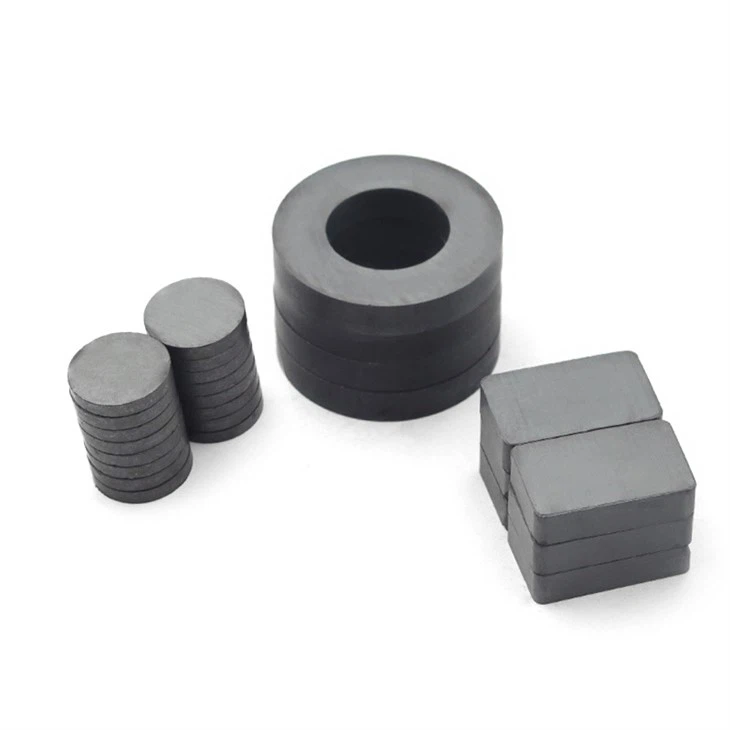
Ferrite magnets, also known as ceramic magnets, are a type of permanent magnet made from strontium carbonate or barium carbonate and iron oxide. These magnets are popular due to their low cost, good resistance to demagnetization, and relatively high coercivity. As a ferrite magnets supplier, I have witnessed the wide - ranging applications of these magnets across various industries. In this blog, I will explore the different industries that use ferrite magnets and the specific applications within them.
1. Automotive Industry
The automotive industry is one of the largest consumers of ferrite magnets. These magnets are used in a variety of automotive components due to their reliability and cost - effectiveness.
- Electric Motors: Ferrite magnets are commonly used in electric motors for automotive applications. For example, they are used in power windows, windshield wipers, and seat adjustment systems. These motors require a reliable and inexpensive magnet source, and ferrite magnets fit the bill perfectly. The Ferrite Rotor Ring Magnet is often used in the rotors of these motors, providing the necessary magnetic field for the motor to operate.
- Sensors: Position sensors in cars also rely on ferrite magnets. These sensors are used to detect the position of various components such as throttle valves, gear shifters, and steering wheels. The Ferrite Magnet For Position Sensors is designed to provide a stable magnetic field for accurate position detection, ensuring the proper functioning of these critical automotive systems.
2. Consumer Electronics
In the consumer electronics industry, ferrite magnets play a crucial role in many devices.

- Speakers: Ferrite magnets are widely used in speakers. They are used to create the magnetic field necessary for the conversion of electrical signals into sound waves. The relatively high magnetic strength of ferrite magnets, combined with their low cost, makes them an ideal choice for speaker manufacturers. Whether it's a small portable speaker or a large home audio system, ferrite magnets are likely to be found inside.
- Hard Disk Drives: Although the use of hard disk drives is gradually being replaced by solid - state drives, ferrite magnets are still used in some HDDs. They are used in the actuator arm that moves the read - write head across the disk platters. The magnetic field provided by the ferrite magnet allows for precise control of the actuator arm, ensuring accurate data reading and writing.
3. Home Appliances
Many home appliances rely on ferrite magnets for their operation.
- Refrigerators: Ferrite magnets are used in the door seals of refrigerators. These magnets create a tight seal, preventing cold air from escaping and warm air from entering the refrigerator. This helps to maintain the proper temperature inside the fridge and reduces energy consumption.
- Vacuum Cleaners: Electric motors in vacuum cleaners often use ferrite magnets. These motors power the suction mechanism of the vacuum cleaner. The durability and cost - effectiveness of ferrite magnets make them a popular choice for vacuum cleaner manufacturers.
4. Industrial Applications
In industrial settings, ferrite magnets are used in a variety of applications.
- Magnetic Separators: Ferrite magnets are used in magnetic separators to remove ferrous contaminants from materials such as grains, plastics, and minerals. The strong magnetic field of the ferrite magnet attracts and holds the ferrous particles, allowing for the purification of the material.
- Magnetic Drives: Magnetic Drive Ferrite Magnet is used in magnetic drive systems. These systems are used to transfer torque from one part of a machine to another without the need for a physical connection. This is particularly useful in applications where a hermetic seal is required, such as in chemical pumps.
5. Renewable Energy
The renewable energy sector also benefits from the use of ferrite magnets.
- Wind Turbines: Some wind turbines use ferrite magnets in their generators. These magnets are used to create the magnetic field necessary for the conversion of mechanical energy into electrical energy. The large - scale nature of wind turbines requires a cost - effective and reliable magnet source, and ferrite magnets meet these requirements.
- Solar Trackers: Solar trackers use ferrite magnets in their motors and sensors. These trackers are designed to follow the sun's movement, maximizing the amount of sunlight that reaches the solar panels. The magnets in the motors and sensors help to ensure the accurate and efficient operation of the solar trackers.
6. Medical Industry
In the medical field, ferrite magnets have some specialized applications.
- Magnetic Resonance Imaging (MRI): Although high - strength rare - earth magnets are more commonly used in MRI machines, ferrite magnets can be used in some low - field MRI systems. They can also be used in some auxiliary components of MRI machines, providing a cost - effective alternative in certain applications.
- Medical Sensors: Similar to automotive and industrial sensors, medical sensors may use ferrite magnets. These sensors are used to detect the position or movement of various medical devices or body parts, providing valuable information for diagnosis and treatment.
Conclusion
As a ferrite magnets supplier, I have seen firsthand the diverse range of industries that rely on these magnets. From automotive and consumer electronics to home appliances, industrial applications, renewable energy, and the medical field, ferrite magnets offer a cost - effective and reliable solution for many different applications.
If you are in need of ferrite magnets for your specific application, whether it's a small - scale project or a large - scale industrial production, I encourage you to contact me for procurement and further discussion. I can provide you with high - quality ferrite magnets that meet your exact requirements.
References
- "Magnetics Handbook" by E. C. Snelling
- "Permanent Magnet Materials and Their Applications" by B. D. Cullity and C. D. Graham
- Industry reports on automotive, consumer electronics, home appliances, industrial, renewable energy, and medical sectors.