

In the realm of power transformers, the choice of core materials plays a pivotal role in determining their performance, efficiency, and overall functionality. One such material that has gained significant attention is the Alnico rod. As a leading supplier of Alnico rods, I am excited to delve into the advantages and disadvantages of using these rods in power transformers, offering insights to help you make informed decisions for your electrical applications.
Advantages of Using Alnico Rods in Power Transformers
High Magnetic Permeability
Alnico rods are renowned for their high magnetic permeability, which allows them to efficiently conduct magnetic flux. This property is crucial in power transformers as it enables the effective transfer of electrical energy from the primary to the secondary winding. With high magnetic permeability, Alnico rods can minimize magnetic losses, resulting in improved transformer efficiency and reduced energy consumption. This efficiency is particularly beneficial in large-scale power distribution systems where even small improvements in energy transfer can lead to significant cost savings.
Excellent Temperature Stability
Another notable advantage of Alnico rods is their excellent temperature stability. Unlike some other magnetic materials, Alnico retains its magnetic properties over a wide range of temperatures. This characteristic is essential in power transformers, which often operate in environments with fluctuating temperatures. The ability of Alnico rods to maintain their magnetic strength under varying temperature conditions ensures consistent transformer performance, reducing the risk of overheating and extending the lifespan of the equipment.
High Remanence and Coercivity
Alnico rods exhibit high remanence, which refers to the residual magnetic flux density remaining in the material after the external magnetic field is removed. This property allows Alnico rods to retain a strong magnetic field, making them suitable for applications where a stable magnetic field is required. Additionally, Alnico has relatively high coercivity, meaning it can resist demagnetization. This makes Alnico rods less susceptible to external magnetic interference, ensuring reliable operation in power transformers.

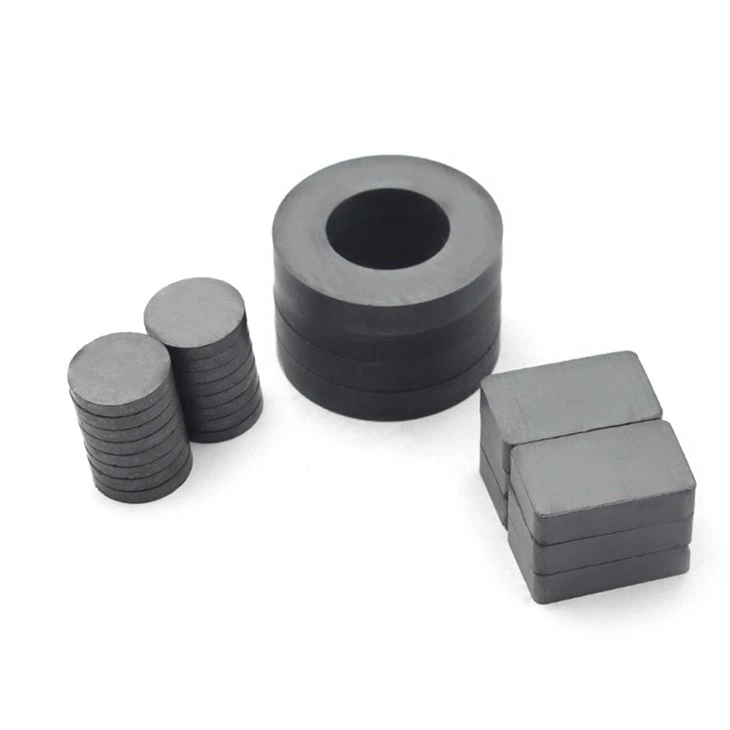
Customizability
As a supplier of Alnico rods, I understand the importance of providing customized solutions to meet the diverse needs of our customers. Alnico rods can be easily machined and shaped into various forms, allowing for the production of transformers with specific dimensions and performance requirements. Whether you need a small, compact transformer for a portable device or a large, high-power transformer for industrial applications, Alnico rods can be tailored to your exact specifications.
Disadvantages of Using Alnico Rods in Power Transformers
High Cost
One of the primary disadvantages of using Alnico rods in power transformers is their relatively high cost. The production of Alnico involves complex manufacturing processes and the use of rare earth elements, which contribute to its elevated price. Compared to other magnetic materials such as ferrite, Alnico rods can be significantly more expensive. This cost factor may limit their use in some applications, especially those with strict budget constraints.
Brittle Nature
Alnico is a brittle material, which can pose challenges during handling and installation. The brittleness of Alnico rods makes them more prone to cracking and chipping, especially if subjected to mechanical stress or impact. This requires careful handling and packaging to prevent damage during transportation and installation. Additionally, the brittleness of Alnico can make it difficult to machine and shape, increasing the manufacturing complexity and cost.
Limited Availability
Another drawback of using Alnico rods is their limited availability. The production of Alnico is dependent on the supply of rare earth elements, which are subject to market fluctuations and geopolitical factors. This can lead to supply shortages and price volatility, making it challenging for manufacturers to secure a consistent supply of Alnico rods. In some cases, the limited availability of Alnico may force manufacturers to seek alternative magnetic materials, which may not offer the same performance characteristics.
Comparison with Ferrite Magnets
While Alnico rods offer several advantages in power transformers, it is important to consider their performance in comparison to other magnetic materials, such as ferrite magnets. Ferrite magnets are widely used in power transformers due to their low cost, high resistivity, and good magnetic properties.
Ferrite magnets, such as the Ferrite Magnet For Gas Flow Meter, Ferrite Magnets For High-Temperature Environments, and Ferrite Magnet For Position Sensors, are known for their excellent electrical insulation properties, which help reduce eddy current losses in transformers. They are also relatively easy to manufacture and have a lower environmental impact compared to some other magnetic materials.
However, ferrite magnets generally have lower magnetic strength and temperature stability compared to Alnico rods. In applications where high magnetic performance and temperature resistance are critical, Alnico rods may be a more suitable choice.
Conclusion
In conclusion, the use of Alnico rods in power transformers offers several advantages, including high magnetic permeability, excellent temperature stability, high remanence and coercivity, and customizability. However, these benefits come with some drawbacks, such as high cost, brittle nature, and limited availability. When considering the use of Alnico rods in your power transformer applications, it is essential to weigh the advantages and disadvantages carefully and consider your specific requirements and budget.
As a supplier of Alnico rods, I am committed to providing high-quality products and personalized solutions to meet your needs. If you are interested in learning more about the advantages of using Alnico rods in power transformers or would like to discuss your specific requirements, please do not hesitate to contact us. We look forward to working with you to find the best magnetic solution for your power transformer applications.
References
- "Magnetic Materials for Power Transformers" - IEEE Transactions on Magnetics
- "Properties and Applications of Alnico Magnets" - Journal of Applied Physics
- "Advances in Transformer Technology" - Power Engineering Journal