

Selecting the appropriate coating for Sintered NdFeb Magnets is a crucial decision that can significantly impact the performance, durability, and overall quality of these powerful magnetic components. As a supplier of Sintered NdFeb Magnets, I understand the importance of guiding our customers through this process to ensure they make the best choice for their specific applications. In this blog post, I will delve into the key factors to consider when selecting a coating for Sintered NdFeb Magnets and provide insights to help you make an informed decision.
Understanding Sintered NdFeb Magnets
Sintered NdFeb magnets are renowned for their exceptional magnetic properties, making them the go-to choice for a wide range of applications, from consumer electronics to industrial machinery. These magnets are composed of neodymium (Nd), iron (Fe), and boron (B), and are manufactured through a sintering process that results in a dense, high-performance magnet. However, despite their impressive magnetic strength, Sintered NdFeb magnets are prone to corrosion and oxidation, which can degrade their performance over time. This is where coatings come into play.
Importance of Coatings for Sintered NdFeb Magnets
Coatings serve as a protective barrier between the magnet and its environment, shielding it from moisture, chemicals, and other corrosive agents. By applying a suitable coating, you can extend the lifespan of your Sintered NdFeb magnets, maintain their magnetic properties, and prevent them from losing their strength or becoming brittle. Additionally, coatings can enhance the aesthetic appeal of the magnets and provide additional functionality, such as improved adhesion or lubrication.
Factors to Consider When Selecting a Coating
When choosing a coating for your Sintered NdFeb magnets, several factors need to be taken into account. These include:
- Environment: Consider the operating environment in which the magnets will be used. Will they be exposed to moisture, chemicals, high temperatures, or abrasive materials? Different coatings offer varying levels of protection against these environmental factors, so it's essential to select a coating that can withstand the specific conditions of your application.
- Magnetic Performance: Some coatings may have a slight impact on the magnetic performance of the magnets. It's important to choose a coating that minimizes any negative effects on the magnetic properties while still providing adequate protection. Consult with your magnet supplier or a coating specialist to determine the best coating option for your specific magnetic requirements.
- Adhesion: The coating should adhere well to the surface of the magnet to ensure long-lasting protection. Poor adhesion can lead to coating delamination, which can expose the magnet to corrosion and reduce its effectiveness. Look for coatings that are specifically designed for Sintered NdFeb magnets and have a proven track record of good adhesion.
- Cost: The cost of the coating is another important consideration. While it's essential to invest in a high-quality coating that provides adequate protection, you also need to balance the cost with your budget. Compare the prices of different coatings and consider the long-term benefits and savings they can offer.
- Application Method: The application method of the coating can also affect its performance and durability. Some coatings are applied through electroplating, while others are applied through spraying or dipping. Each application method has its advantages and disadvantages, so it's important to choose the one that is most suitable for your specific requirements.
Common Types of Coatings for Sintered NdFeb Magnets
There are several types of coatings available for Sintered NdFeb magnets, each with its own unique properties and benefits. Some of the most common types of coatings include:
- Nickel (Ni) Coating: Nickel coating is one of the most widely used coatings for Sintered NdFeb magnets. It provides excellent corrosion resistance and a smooth, shiny surface. Nickel coating is typically applied through electroplating, which ensures a uniform and durable coating. However, nickel coating may not be suitable for applications where the magnet will be exposed to high temperatures or certain chemicals.
- Zinc (Zn) Coating: Zinc coating is another popular choice for Sintered NdFeb magnets. It offers good corrosion resistance at a relatively low cost. Zinc coating is typically applied through electroplating or hot-dip galvanizing. However, zinc coating may not be as durable as nickel coating and may require additional protection in harsh environments.
- Epoxy Coating: Epoxy coating is a versatile coating that can provide excellent protection against corrosion, abrasion, and impact. It is typically applied through spraying or dipping and can be customized to meet specific requirements. Epoxy coating is a good choice for applications where the magnet will be exposed to harsh environments or where a high level of protection is required.
- Parylene Coating: Parylene coating is a thin, conformal coating that provides excellent protection against moisture, chemicals, and corrosion. It is applied through a vapor deposition process, which ensures a uniform and pinhole-free coating. Parylene coating is a good choice for applications where the magnet needs to be protected in a cleanroom environment or where a high level of precision is required.
- Gold (Au) Coating: Gold coating is a premium coating that provides excellent corrosion resistance and electrical conductivity. It is typically applied through electroplating and is a good choice for applications where the magnet needs to be protected in a high-end or sensitive environment. However, gold coating is relatively expensive and may not be suitable for all applications.
Our Product Offerings
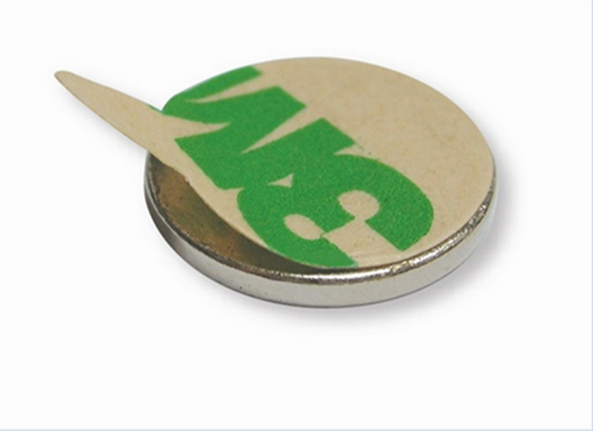
As a supplier of Sintered NdFeb Magnets, we offer a wide range of coating options to meet the diverse needs of our customers. Our Strong Rare Earth Magnets are available with various coatings, including nickel, zinc, epoxy, and parylene. We also offer NdFeb Adhesive Backed Magnets with a variety of coatings to provide additional functionality and protection. Additionally, our Disc Strong Magnet products are available with different coatings to suit different applications.
Conclusion
Selecting the appropriate coating for Sintered NdFeb Magnets is a critical step in ensuring their long-term performance and durability. By considering the factors discussed in this blog post and choosing the right coating for your specific application, you can protect your magnets from corrosion, oxidation, and other environmental factors, and extend their lifespan. As a supplier of Sintered NdFeb Magnets, we are committed to providing our customers with high-quality products and expert guidance to help them make the best coating selection for their needs. If you have any questions or need assistance in selecting the appropriate coating for your Sintered NdFeb magnets, please do not hesitate to contact us. We look forward to working with you to meet your magnetic requirements.

References
- "Magnetic Materials and Their Applications" by J. M. D. Coey
- "Handbook of Magnetic Materials" edited by K. H. J. Buschow
- "Corrosion Protection of NdFeB Magnets" by R. C. O'Handley