

Hey there! As a supplier of flexible magnets, I often get asked all sorts of questions about these nifty little things. One question that pops up quite a bit is, "Are flexible magnets fire-resistant?" Well, let's dive right into this topic and find out.
First off, let's quickly go over what flexible magnets are. Flexible magnets are, as the name suggests, magnets that can be bent, twisted, and shaped without breaking. They're made from a combination of magnetically hard ferrite powder and a polymer binder. There are two main types: Anisotropic Flexible Magnets and Isotropic Flexible Magnets. Anisotropic flexible magnets have a preferred direction of magnetization, which gives them stronger magnetic properties in that direction. Isotropic flexible magnets, on the other hand, have a more uniform magnetic field in all directions.
Now, back to the burning question (pun intended) - fire resistance. The short answer is that flexible magnets are generally not fire-resistant. The polymer binder used in their production is usually a type of plastic, and plastics are known to be flammable. When exposed to high temperatures or an open flame, the polymer binder can start to melt, burn, and release toxic fumes.
The ferrite powder in flexible magnets itself is not flammable. Ferrite is a ceramic material made from iron oxide and other metal oxides. It can withstand high temperatures without burning. However, the presence of the flammable polymer binder means that the overall flexible magnet product is vulnerable to fire.
Let's take a closer look at what happens when a flexible magnet is exposed to fire. When the temperature rises, the polymer binder begins to soften. As the heat increases, it reaches the melting point of the polymer, and the magnet starts to lose its shape. Once the polymer starts to burn, it can spread the fire and create a dangerous situation. The burning polymer can also release harmful chemicals into the air, which is a big concern for both safety and environmental reasons.
But it's not all doom and gloom. There are ways to make flexible magnets more fire-resistant. One approach is to use fire-retardant additives in the polymer binder. These additives work by either preventing the polymer from catching fire in the first place or by slowing down the burning process. Fire-retardant additives can be classified into different types, such as halogenated and non-halogenated. Halogenated additives are effective at suppressing flames, but they can release toxic gases when burned. Non-halogenated additives are a more environmentally friendly option, although they may not be as effective in some cases.
Another way to improve fire resistance is to apply a fire-resistant coating to the flexible magnet. This coating acts as a barrier between the magnet and the fire, protecting the polymer binder from direct exposure to the flame. There are various types of fire-resistant coatings available, each with its own set of properties and performance characteristics.
So, why does fire resistance matter when it comes to flexible magnets? Well, there are many applications where fire safety is a top priority. For example, in the automotive industry, flexible magnets are used in various components such as sensors and actuators. If a fire were to break out in a vehicle, having fire-resistant magnets could prevent the spread of the fire and potentially save lives. In the electronics industry, flexible magnets are used in speakers, motors, and other devices. Fire-resistant magnets can help reduce the risk of electrical fires and protect valuable equipment.
In the construction industry, flexible magnets are sometimes used for decorative purposes or in building automation systems. Ensuring that these magnets are fire-resistant is crucial for the safety of the building's occupants. In the aerospace industry, where safety regulations are extremely strict, fire-resistant flexible magnets are a must.

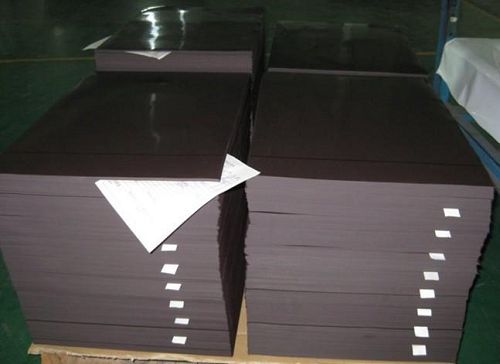
As a supplier of flexible magnets, I understand the importance of providing products that meet the highest safety standards. That's why we're constantly researching and developing new ways to improve the fire resistance of our flexible magnets. We're working with materials scientists and engineers to find the best combination of fire-retardant additives and coatings to make our products safer.
If you're in the market for flexible magnets and fire resistance is a concern for you, don't hesitate to reach out to us. We can provide you with detailed information about the fire-resistant properties of our products and help you choose the right magnet for your specific application. Whether you need magnets for a high-temperature environment or for a project where fire safety is critical, we've got you covered.
In conclusion, while flexible magnets are not inherently fire-resistant, there are steps that can be taken to make them more so. By using fire-retardant additives and coatings, we can improve the safety of these versatile magnets. As a supplier, we're committed to providing our customers with the best possible products, and that includes ensuring that our flexible magnets meet the highest safety standards.
If you have any questions about our flexible magnets or want to discuss your specific requirements, feel free to get in touch. We're here to help you find the perfect magnetic solution for your needs. Let's work together to make your projects a success!
References
- Handbook of Magnetic Materials
- Journal of Magnetism and Magnetic Materials
- Fire Safety Science Proceedings